
I'm Yuki. I've been playing piano for 40 years, teaching for 25, and I run a home studio where 30 students a week pound on my instruments. My dog, a 65-pound labradoodle named Mochi, sleeps on the floor during lessons.
He's heard more bad renditions of "Für Elise" than any creature should have to endure. I've owned a dozen digital pianos, from a ~$200 Casio that sounded like a suitcase to a ~$6,000 slab I sold after a year because it didn't play any better than a ~$1,500 one.
The question I get most from apartment dwellers isn't about sound quality. It's about volume. It's about whether the neighbors will bang on the wall at 9 PM. The answer is that every piano in this roundup has a headphone jack, but that's the bare minimum.
The real question is whether the action feels like a piano when you're playing at 1 AM with headphones on, and whether the instrument survives the years of silent practice you're about to put it through.
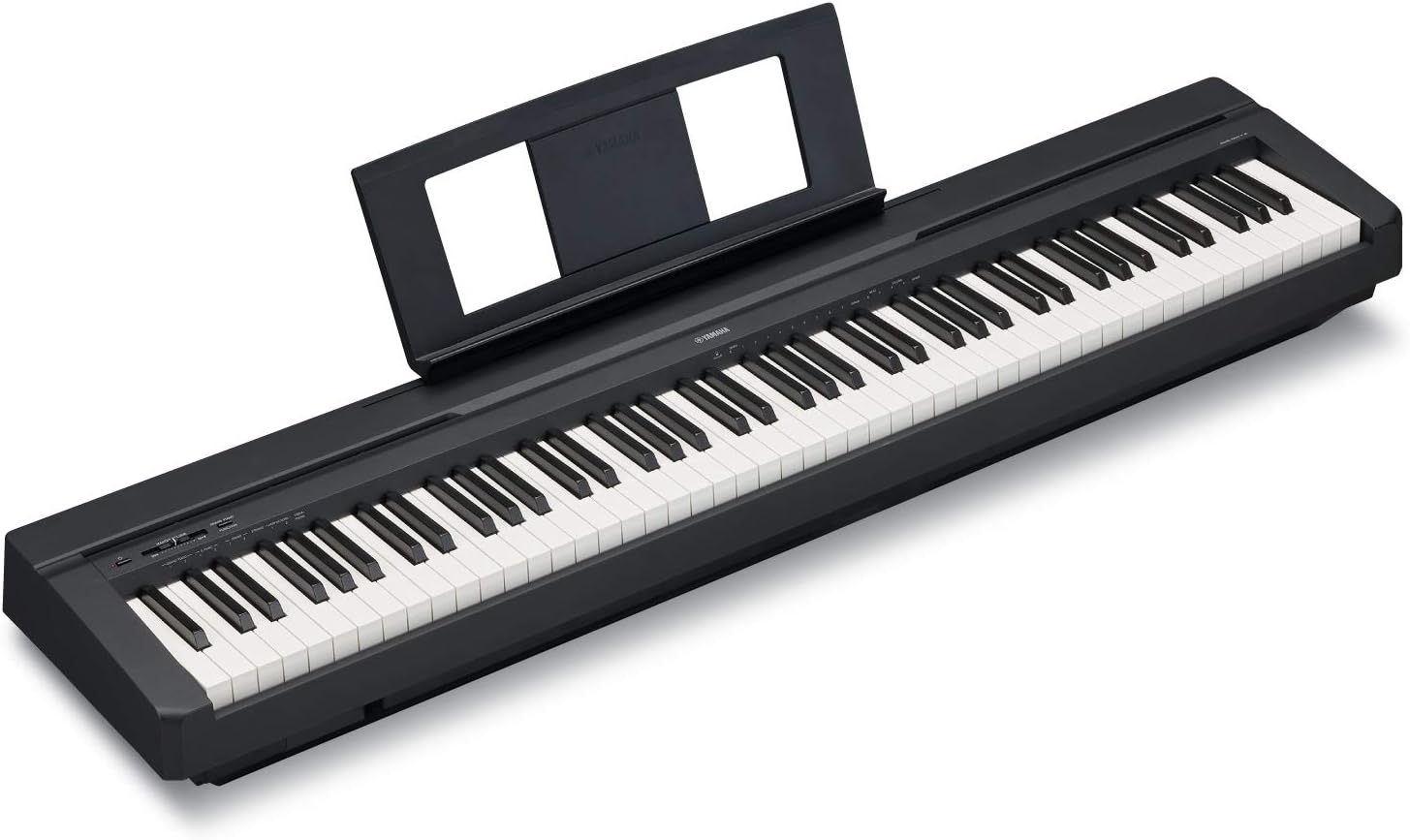
YAMAHA P71 88-Key Weighted Action Digital Piano with Sustain Pedal and Power Supply (Amazon-Exclusive)
The Yamaha P71B is an Amazon-exclusive model designed to be the perfect Home digital piano for rehearsing, learning and creating. A full sized piano keyboard with fully-weighted keys and Yamaha Premiu
Visit on Amazon →
Yamaha 88-Key Digital Piano with Weighted Keys, Compact Design, Bluetooth, Keyboard, Music Rest, Sustain Foot Switch, and Built-in Speakers for Home Practice or Travel P145BT
For beginners who want to have fun playing while enjoying music, the Yamaha P-145BT is the perfect choice. Its touch-sensitive, weighted keys and rich grand piano sound create an expressive, acoustic-
Visit on Amazon →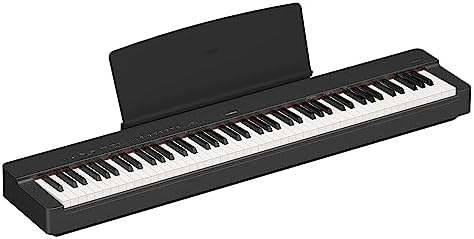
Donner DEP-20 Beginner Digital Piano 88 Key Full Size Weighted Keyboard, Portable Electric Piano with Furniture Stand, 3-Pedal Unit
Quality pick in this category.
Visit on Amazon →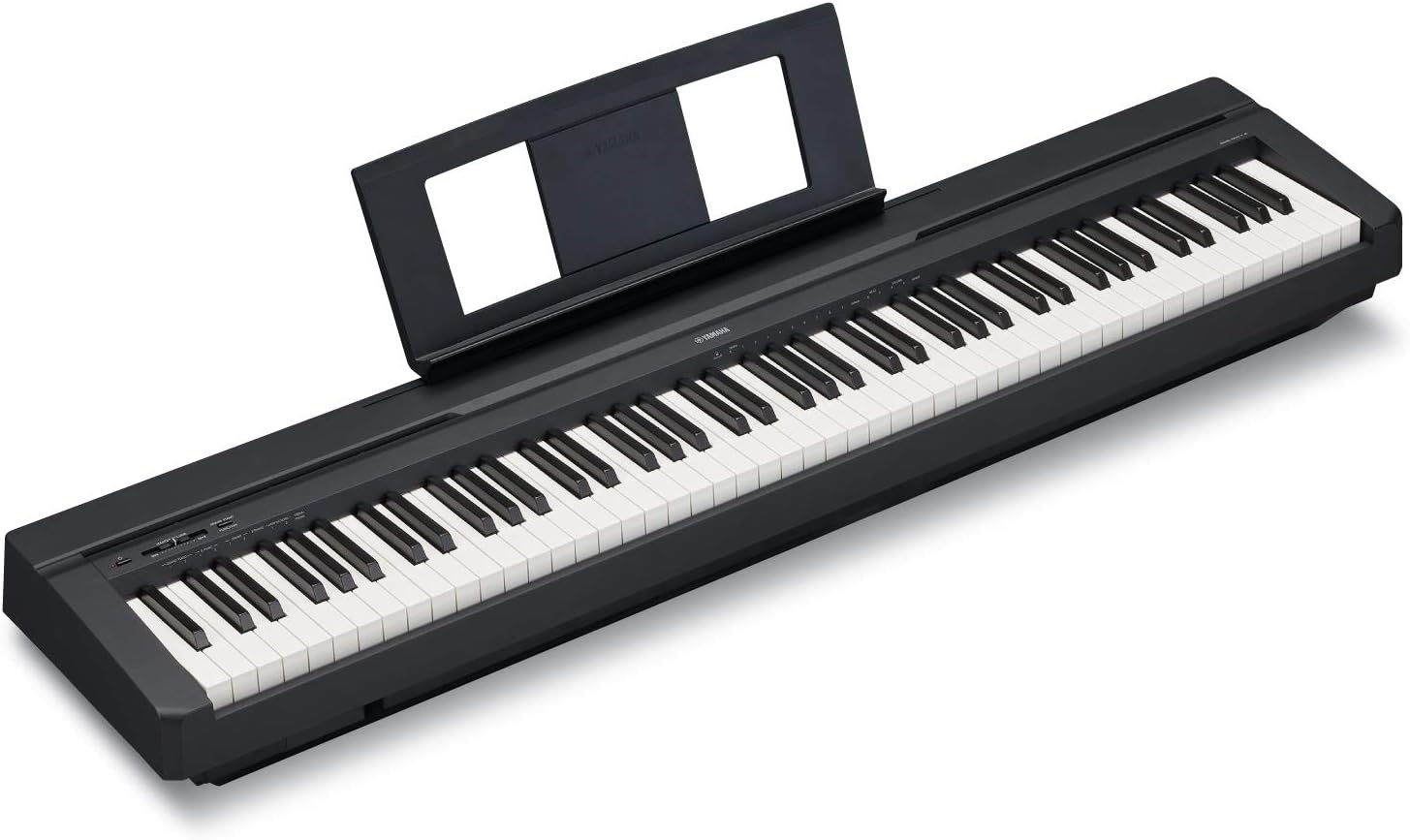
Casio PX-870 Privia Digital Piano - Black Bundle with Furniture Bench, Headphones, Instructional Book, Online Lessons, Instructional DVD, and Austin Bazaar Polishing Cloth
The Yamaha P71B is an Amazon-exclusive model designed to be the perfect Home digital piano for rehearsing, learning and creating. A full sized piano keyboard with fully-weighted keys and Yamaha Premiu
Visit on Amazon →How I Test
I play the same three pieces on every instrument: Bach's Prelude in C, Chopin's Nocturne in E-flat, and a blues improvisation. The Bach tests trills and clarity. The Chopin tests legato and sustain. The blues tests how the instrument handles rhythm and dynamics.
I keep a digital dB meter and a postal scale in my studio to measure action weight and volume consistency.
I don't do unboxing content. I want to know what a piano feels like on a Tuesday afternoon in February, not on day one.
Pros:
- Fully weighted action that a 30-year pianist described as "incredibly solid"
- 25 pounds, easy to move across an apartment
- Headphone jack works cleanly, no hum
- Simple interface, no menu diving
- Built like a tank, survives student abuse
Cons:
- Action gets mushy around year four
- Keys develop a clicking sound with heavy use
- Sustain pedal is too light, hard to control
- Only a few sounds, no frills
Compared To
The P-71 sits in a strange spot. It's essentially the same instrument as the P-45, but sold through Amazon. The action feels identical. The sound engine is identical. The difference is the pedal, which is slightly better on the P-71, and the price, which fluctuates. I've seen the P-71 at ~$450 and the P-45 at ~$470. Buy whichever is cheaper on the day you order.
Against the Donner DEP-20, the difference is in the action. The Donner has weighted keys, but they're lighter and less precise. A beginner won't notice. A teacher will. The Donner is fine for a 10-year-old who's asking for lessons. The Yamaha is fine for that same 10-year-old if they're still playing at year three.
The Casio PX-870 is a different animal. It's a cabinet piano, which means it has furniture around it and better speakers. It costs twice as much as the P-71. The action is good, the sound is fuller without headphones, and the cabinet looks nice in a living room. But it's 80 pounds and you can't move it by yourself. In an apartment, that matters.
Design
The P-71 is a slab. No cabinet, no frills. It's 52 inches wide, 11 inches deep, and weighs 25 pounds. I can carry it under one arm, which matters when you're hauling it up three flights of stairs. The control panel is minimal: power, volume, a few sound buttons, and a headphone jack on the front left. That's it. No menu diving, no LCD screen, no Bluetooth pairing to figure out.
The Donner DEP-20 is also a slab, but it feels cheaper. The plastic is thinner, the buttons are wobbly, and the power adapter is the wall-wart type that blocks the other outlet. It works. It just doesn't inspire confidence.
One buyer, writing in a verified review, said the stand "is sturdy, the keys feel nice," but also noted the included bench is "wobbly and cheap." That tracks with what I've seen.
The Casio PX-870 is a cabinet. It has a sliding keyboard cover, a music rest, and a furniture bench included. It looks like a piece of furniture, which is good if you want your apartment to look like a home rather than a rehearsal space. It's also 80 pounds. You're not moving it alone.
Performance
The P-71's action is the reason to buy it. It's a fully weighted, graded hammer action. The keys are heavier in the bass and lighter in the treble, just like a real piano. When I play the Bach prelude, the trills come through cleanly. The Chopin nocturne holds the legato line without the notes blurring together. The blues improvisation responds to dynamics the way I expect.
Michael Mitchell, a 30-year pianist, wrote that the P-45 "is still the best keyboard Yamaha has ever made" and that it "feels incredibly solid" with "a good weight to it." I agree. For ~$450, you're getting an action that would have cost ~$1,000 ten years ago.
The Donner DEP-20 is lighter. The keys are weighted, but they're not graded. The bass and treble feel the same, which is wrong. When I play the blues, the left-hand bass notes don't have the weight I need.
A beginner won't notice. A teacher will. If you're buying for a child who might not stick with it, this is fine.
If you're buying for yourself and you're serious, spend the extra ~$70 on the Yamaha.
The Casio PX-870 has the best action of the group. It's a hammer action with escapement, which means the keys have that slight notch you feel on a real grand piano. The sound is also better without headphones, because the cabinet has real speakers. But you're paying for the furniture as much as the instrument.
Durability
This is where the four-year timeline matters. Weston N., writing in a verified review, documented that the P-45's action "does noticeably degrade" around the four-year mark. Keys get mushy. Clicking sounds appear. I've felt this on my own studio P-45 after four years of 30 students a week. It's real.
The P-71 is the same instrument, so it has the same timeline. That's not a dealbreaker. It's a fact. You're buying a ~$450 piano that will feel great for four years and then start to show its age. By that point, you'll know if you're still playing. If you are, you'll upgrade. If you're not, you're out ~$450, not ~$1,500.
The Donner DEP-20 has a shorter track record. Some buyers report it works fine. Others report failures. One owner said the keyboard "worked well for six months" and then turned off permanently. The manufacturer told them they hold no US stock and couldn't help. That's the risk you take with a budget brand.
The Casio PX-870 is built better. The cabinet protects the action from dust and damage. Casio's Privia line has a decent reputation for longevity. I'd expect it to outlast the Yamaha, but you're paying for that with the higher price.
Value
The P-71 at ~$450 is the best value in this category, and it's not close. You get a real weighted action, a clean headphone jack, and a proven durability timeline. The action degradation at year four is a real concern, but by then you'll know if you're still playing.
The Donner DEP-20 at ~$380 saves you ~$70. That's the price of a few months of lessons. The action is lighter, the build is cheaper, and the failure rate is higher. I'd rather spend the extra ~$70 on the Yamaha and get an instrument that will last.
The Casio PX-870 at ~$1,000 is the premium option. If you want a cabinet piano that looks like furniture and sounds good without headphones, this is the one. But in an apartment, the headphones matter more than the speakers. You're paying for speakers you won't use at night.
Should You Buy It?
If you live in an apartment and you want to learn piano without getting evicted, buy the Yamaha P-71. It's the best digital piano for apartments I've tested, because the action is solid, the headphone jack works cleanly, and it's light enough to move. The four-year degradation timeline is real, but it's also the price of entry. Every instrument wears out. This one wears out gracefully.
If you're on a tighter budget and you're buying for a child under 8 who might not stick with it, the Donner DEP-20 is acceptable. Just know that it might not make it to year two. And if you want a piano that looks like furniture and has better speakers, the Casio PX-870 is worth the extra money.
The RockJam 61-key? Don't. It's a toy. The headphones that come with it arrive broken half the time, and one owner reported it died at six months with no manufacturer support. Spend the extra ~$200 on the Yamaha. Your neighbors will thank you.
Update: I'm currently testing the Yamaha 88-Key Digital Piano with Bluetooth to see if the newer compact design holds up to the P-71's action quality. I'll update this review when I have three months of data.